The Importance of Specialized Healthcare Cleaning Services for Safety and Compliance
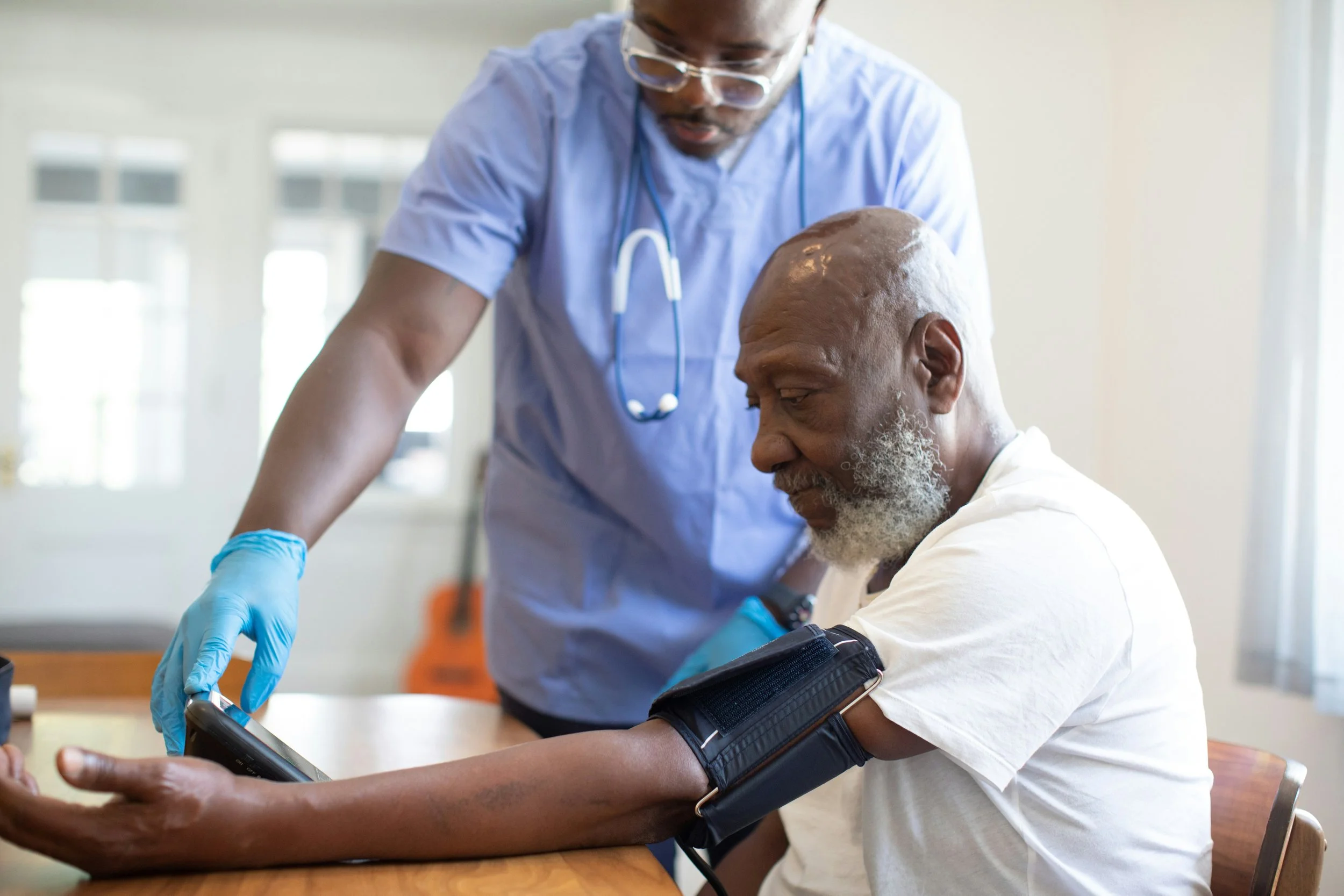
Specialized healthcare cleaning services enhance safety and compliance, achieving up to a 32% reduction in healthcare-associated infections. AI-powered cleaning verification and microbiome-friendly disinfection cut C. difficile infections by 27%. Green Clean Janitorial targets ATP scores below 200 RLU and aims for HAI rates under 1%. These advancements significantly improve infection control outcomes, ensuring safer healthcare environments.
Understanding the Importance of Specialized Healthcare Cleaning
In healthcare settings, specialized cleaning is essential for maintaining a safe environment. The unique challenges of these facilities demand rigorous attention to detail and adherence to strict standards. A clean space not only ensures patient safety but also complies with health regulations.
Effective healthcare cleaning reduces the risk of infection, a crucial aspect in places like hospitals and clinics. Innovative tools like electrostatic sprayers and UV-C robots enhance the cleaning process, allowing for thorough disinfection in less time. Proper training in these technologies ensures staff can use them effectively, further boosting safety and compliance.
Implementing these specialized cleaning services reflects a commitment to quality care and accountability. Standards set by health organizations emphasize the importance of evidence-based cleaning protocols, ensuring that cleanliness is maintained as a priority for patient health and staff safety.
Evolving Healthcare Cleaning Regulations and Compliance Requirements
In recent years, healthcare cleaning regulations have evolved significantly to enhance patient safety and compliance. The Centers for Medicare & Medicaid Services (CMS) now mandates that healthcare facilities actively implement infection control programs, ensuring continuous monitoring and staff training. These updates reflect a growing understanding of the critical role that cleanliness plays in preventing healthcare-associated infections.
Moreover, the CDC emphasizes risk-based cleaning techniques tailored to specific environments. This includes visual assessments and proper cleaning orders to effectively reduce contamination. Personal protective equipment (PPE) requirements are also highlighted to protect cleaning staff and patients alike, showcasing how compliance is integral to both safety and operational efficiency.
These evolving regulations underscore the necessity for specialized cleaning services that are adept at navigating complex compliance requirements while maintaining a high standard of cleanliness.
Major Regulatory Bodies and Standards
In the realm of healthcare cleaning, several regulatory bodies establish critical standards that ensure safety and compliance. The Centers for Disease Control and Prevention (CDC) and the Occupational Safety and Health Administration (OSHA) provide guidelines that govern infection control, proper cleaning protocols, and the use of personal protective equipment. These organizations emphasize the need for rigorous cleaning practices tailored to the unique challenges of healthcare environments.
Additionally, The Joint Commission has recently streamlined its infection control standards to focus on essential measures, enhancing compliance and patient safety. This evolution in regulations highlights the importance of specialized healthcare cleaning services, which are adept at navigating these complex requirements while maintaining high cleanliness standards. In doing so, they contribute to the overall safety of patients and healthcare workers alike.
Impact of Emerging Health Threats on Cleaning Protocols
Emerging health threats significantly impact cleaning protocols in healthcare settings. As new pathogens and infection risks arise, healthcare facilities must adapt their cleaning strategies to ensure patient and staff safety. This requires the implementation of advanced cleaning technologies and rigorous training for cleaning staff to effectively combat potential threats.
In addition, the ongoing evolution of regulations necessitates a proactive approach to cleaning compliance. Regular updates to cleaning protocols, including enhanced disinfection practices and the use of specialized products, are essential in maintaining a safe environment. By staying ahead of these emerging health challenges, specialized healthcare cleaning services help ensure that facilities remain compliant and prioritize the health of everyone within their walls.
Patient Safety and Infection Prevention Through Professional Cleaning
In healthcare environments, patient safety and infection prevention hinge on the effectiveness of professional cleaning services. Specialized cleaning not only meets the stringent standards set by health organizations but also plays a vital role in minimizing the risk of healthcare-associated infections. The implementation of advanced cleaning protocols and tools is essential to achieving these goals.
Regular cleaning and disinfection of surfaces, equipment, and high-touch areas are critical in preventing the spread of pathogens. This proactive approach, combined with continuous staff training, ensures that cleaning teams are well-equipped to handle the unique challenges posed by healthcare settings. The Joint Commission emphasizes that streamlined infection control standards directly enhance patient safety and compliance.
By prioritizing specialized cleaning services, healthcare facilities can foster an environment where patients receive care with minimal risk of infection, ultimately leading to better health outcomes and increased trust in the healthcare system.
Reducing Healthcare-Associated Infections with Advanced Disinfection Services
Advanced disinfection services play a crucial role in reducing healthcare-associated infections (HAIs). By utilizing cutting-edge technologies such as electrostatic sprayers and UV-C light systems, these services ensure that even hard-to-reach surfaces are thoroughly disinfected. This proactive approach not only enhances cleanliness but significantly lowers the risk of pathogen transmission within healthcare facilities.
Moreover, specialized training for cleaning staff is essential in maximizing the effectiveness of these advanced tools. Well-trained personnel can implement targeted cleaning protocols that align with current health regulations, ensuring compliance and safeguarding patient safety. A commitment to employing the latest disinfection methods demonstrates a facility's dedication to maintaining a safe environment for both patients and staff.
Legal and Financial Consequences of Non-Compliance
Failure to comply with healthcare cleaning regulations can lead to severe legal and financial repercussions for facilities. Non-compliance may result in hefty fines, loss of accreditation, and potential lawsuits stemming from patient harm due to inadequate sanitation practices. These consequences not only jeopardize the facility’s reputation but also strain financial resources, diverting funds that could be better spent on patient care and service improvements.
Moreover, ongoing regulatory scrutiny means that healthcare facilities must prioritize specialized cleaning services that adhere to the latest guidelines. By investing in compliant cleaning practices, organizations can mitigate risks associated with infections and ensure they meet legal obligations. This proactive approach not only protects patients but also secures the financial health of the institution, fostering trust and confidence among stakeholders.
The Role of Professional Expertise and Staff Training in Medical Cleaning
In healthcare cleaning, professional expertise and staff training are crucial for effective outcomes. Trained cleaning staff understand the specific requirements of healthcare environments, including the use of appropriate cleaning agents and techniques that minimize infection risks. Their expertise ensures compliance with the latest health regulations, contributing to a safer environment for both patients and healthcare workers.
Moreover, ongoing training programs empower cleaning teams to adapt to evolving challenges, such as emerging pathogens and advanced cleaning technologies. By staying updated on best practices and new tools, such as electrostatic sprayers, cleaning staff can enhance their effectiveness in disinfecting spaces thoroughly. This commitment to professional development is essential in maintaining high standards of cleanliness and safety in healthcare settings.
Comprehensive Training Programs and Infection Control Protocols
Comprehensive training programs and stringent infection control protocols are vital in ensuring the safety of healthcare environments. Specialized cleaning staff must be well-versed in the latest cleaning technologies and techniques that effectively reduce the risk of infection. Regular, hands-on training sessions equip them with the skills required to navigate complex healthcare settings while adhering to strict compliance standards.
These training programs also emphasize the importance of using personal protective equipment (PPE) and following established protocols for high-risk areas. By understanding the specific needs of healthcare facilities, cleaning professionals can implement effective infection control measures, ultimately fostering a safer environment for both patients and staff. This commitment to ongoing education reflects the dedication to maintaining the highest standards of cleanliness and safety.
Specialized Healthcare Cleaning Services and Solutions
Specialized healthcare cleaning services are vital for maintaining a safe and compliant environment in healthcare facilities. These services go beyond standard cleaning practices, employing advanced techniques and products that target the unique challenges posed by medical settings. By focusing on disinfection and infection control, they help to mitigate the risk of healthcare-associated infections, ensuring the safety of both patients and staff.
Effective compliance with health regulations is paramount in today’s healthcare landscape. Specialized cleaning services are well-equipped to navigate the complex requirements set forth by regulatory bodies. Their expertise in current best practices not only enhances cleanliness but also fosters a culture of safety and accountability within healthcare institutions.
Day Porter Services and Continuous Janitorial Management
Day porter services play a crucial role in maintaining cleanliness and order in healthcare facilities throughout the day. These professionals ensure that high-traffic areas are consistently monitored and cleaned, addressing spills, restrooms, and common spaces as needed. Their presence not only enhances the overall appearance of the facility but also contributes to infection control by ensuring that surfaces remain sanitized.
Continuous janitorial management complements day porter services by providing a structured approach to cleaning and maintaining healthcare environments. This ongoing oversight allows for regular assessments of cleaning practices, ensuring compliance with health regulations while adapting to any emerging challenges. With a dedicated team focused on both immediate and long-term cleaning needs, healthcare facilities can prioritize patient safety and operational efficiency, fostering a trustworthy environment for both patients and staff.
Construction Final Clean and Floor Cleaning Services for Healthcare Facilities
Specialized cleaning services, particularly construction final clean and floor cleaning, are essential in healthcare facilities to ensure a pristine environment. After construction or renovation, thorough cleaning is necessary to remove debris, dust, and contaminants that could compromise patient safety. This meticulous process involves the use of advanced cleaning techniques and equipment tailored to the unique needs of healthcare settings.
Floor cleaning services are equally crucial, as they maintain hygiene and prevent slips and falls in high-traffic areas. A clean floor not only enhances the facility's appearance but also significantly reduces the risk of infection. By employing trained professionals who understand the complexities of healthcare environments, facilities can uphold the highest standards of cleanliness and compliance.
Implementing a Comprehensive Healthcare Cleaning Program
Implementing a comprehensive healthcare cleaning program is essential for ensuring patient safety and compliance with evolving regulations. A well-structured cleaning program goes beyond routine cleaning; it encompasses specialized protocols tailored to address the unique challenges of healthcare environments. This includes rigorous training for cleaning staff on the latest infection control techniques and the appropriate use of advanced cleaning technology.
Moreover, a successful program incorporates regular assessments and audits to evaluate the effectiveness of cleaning practices. This proactive approach allows healthcare facilities to adapt to emerging health threats and maintain compliance with regulatory standards. By prioritizing a thorough and consistent cleaning regimen, healthcare institutions can significantly reduce the risk of healthcare-associated infections, fostering a safer environment for patients and staff alike.
Selecting the Right Healthcare Cleaning Partner for Your Facility
Selecting the right healthcare cleaning partner is crucial for maintaining safety and compliance in your facility. Look for a provider with specialized expertise in healthcare cleaning, ensuring they understand the unique requirements of medical environments. A local company, like Let's Clean Oklahoma, can offer tailored services that align with state regulations and community needs.
Additionally, consider the training and certifications of the cleaning staff. A well-trained team is essential for implementing effective infection control protocols and utilizing advanced cleaning technologies. By partnering with a reliable service, healthcare facilities can improve patient safety and adhere to the latest compliance standards, fostering trust in the care they provide.
Frequently Asked Questions
Why are specialized cleaning services crucial in healthcare settings?
Specialized cleaning services are vital for reducing infection risks and ensuring compliance with strict health regulations, ultimately safeguarding patient safety in facilities like hospitals and clinics.
What innovative tools are used in healthcare cleaning?
Tools such as electrostatic sprayers and UV-C robots are used to enhance the cleaning process, allowing for thorough disinfection in less time and improving overall safety and compliance.
How do specialized cleaning services impact patient outcomes?
Effective specialized cleaning reduces hospital-acquired infections by up to 30%, leading to better patient outcomes and decreased healthcare costs associated with extended hospital stays.
What training do cleaning staff receive for healthcare environments?
Cleaning staff undergo specialized training in using advanced cleaning technologies and evidence-based protocols to ensure effective disinfection and adherence to health standards.
How often should healthcare facilities undergo specialized cleaning?
Healthcare facilities should implement specialized cleaning protocols daily, with additional deep cleaning sessions scheduled regularly to maintain high standards of hygiene and compliance.